Grill tables
Timber, stone and glass tops.
OpenWood near fire is a materials question. Style does not enter into it. The failure is not the flame. It is dry air, a hot pan and a wet cloth at the same edge, six times a night.
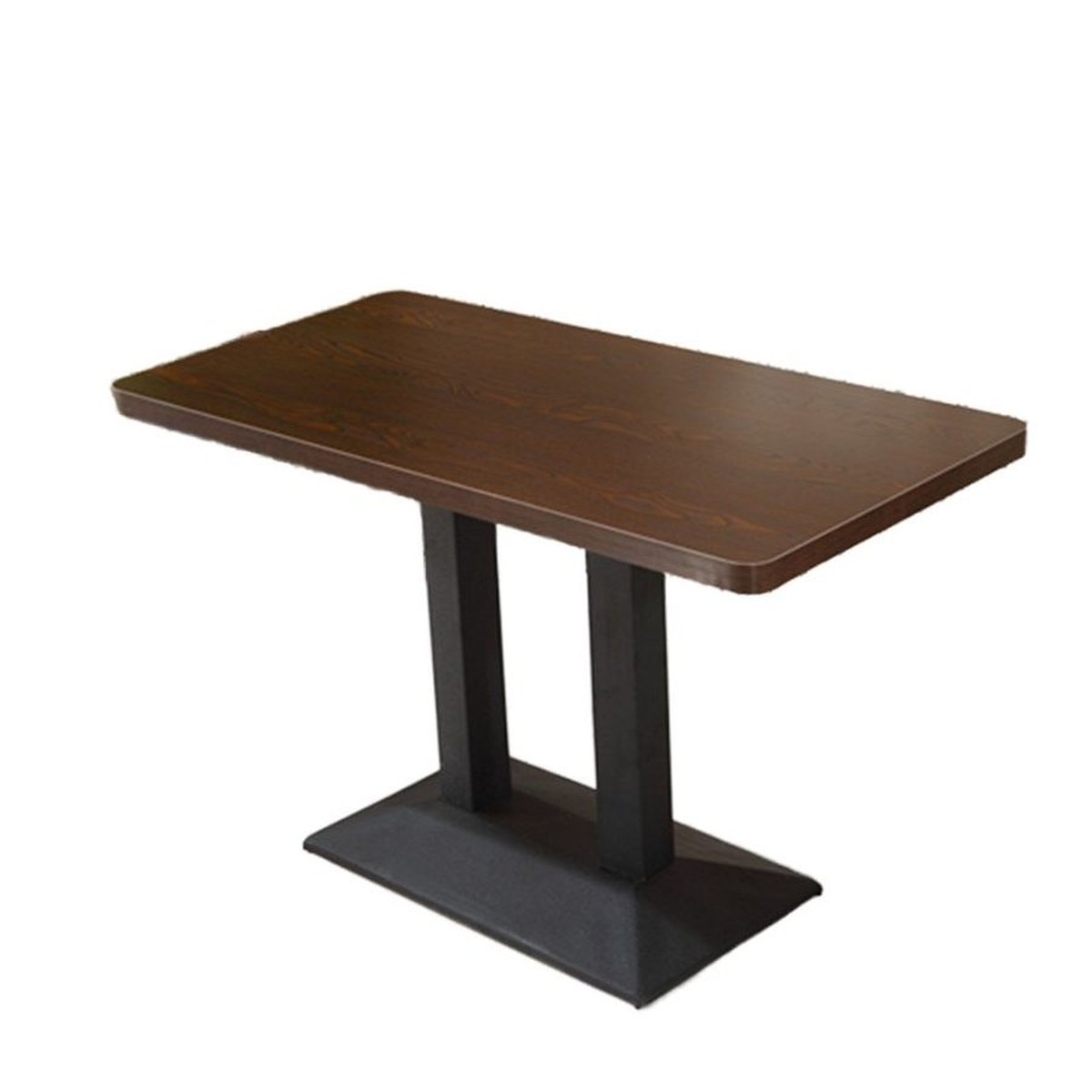
Grill rooms run hotter and drier than the rest of the building, and timber moves across the grain as that changes. End grain is the open door: two coats of sealer on the ends is the difference between a top that ages and one that splits from the corner inwards.
Anything past 2,000 mm gets breadboard ends that are pinned rather than glued, so the top can move with the dining area and still sit flat.
Every pan set down lands on the edge, on the same 6 mm band each time. The middle of the top is never touched. Rounding that edge to 4 mm spreads the hit over more material and still reads as a crisp line in a photograph.
Sharp edges look right for one season. After that the finish lifts at the arris and the edge darkens in a ring that a guest reads as dirt.
Lacquer on a dining top fails as a sheet, and a sheet means a sanding. Oil fails in a patch, and a patch means ten minutes with a cloth at close.
Six weeks is the interval in a working dining area. Twice a year is the interval in a dining area used on Fridays. That difference belongs on the spec sheet. The brochure is where it gets rounded off.
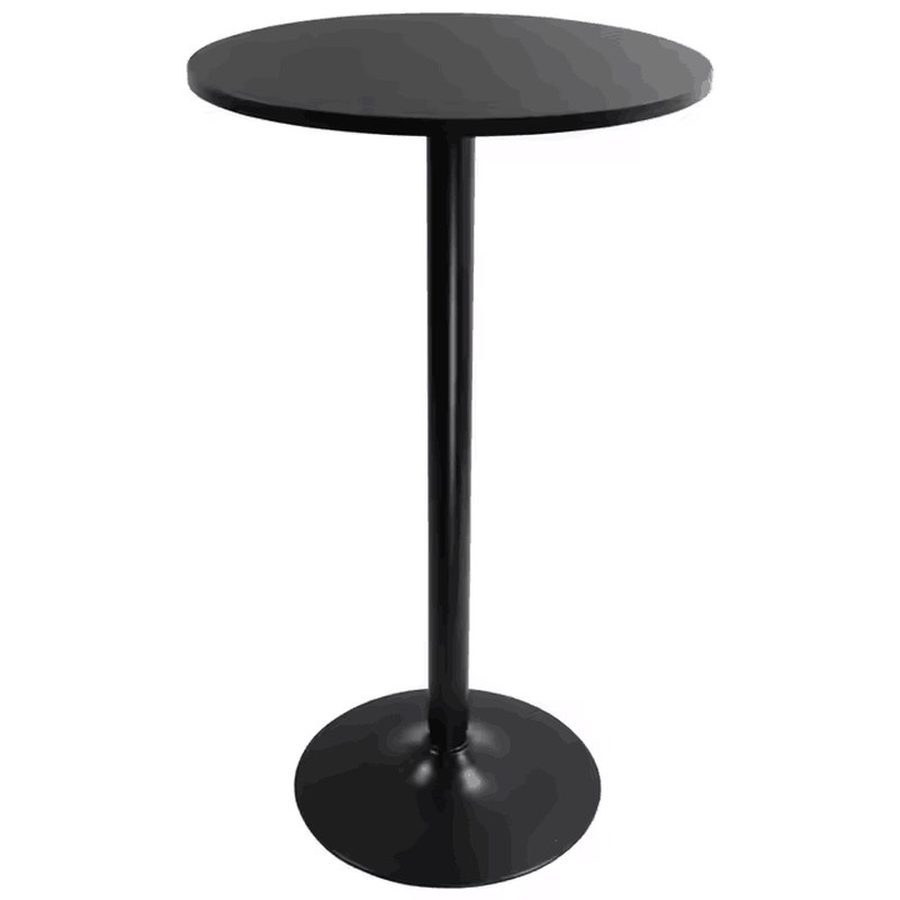
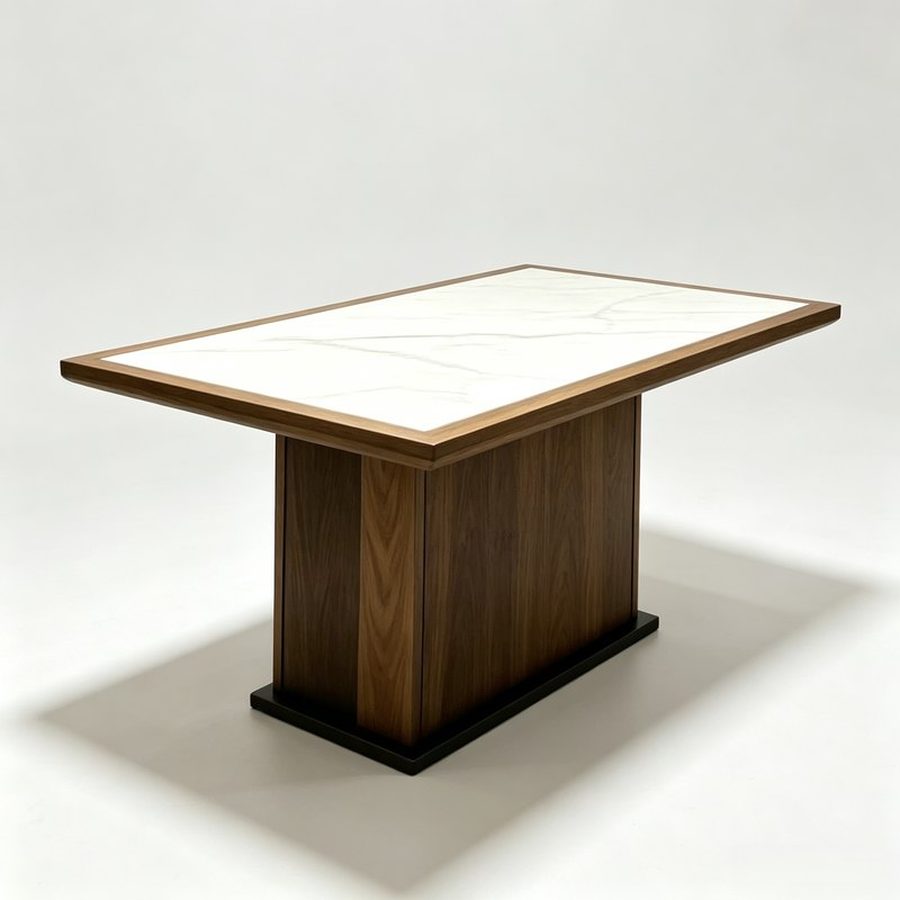
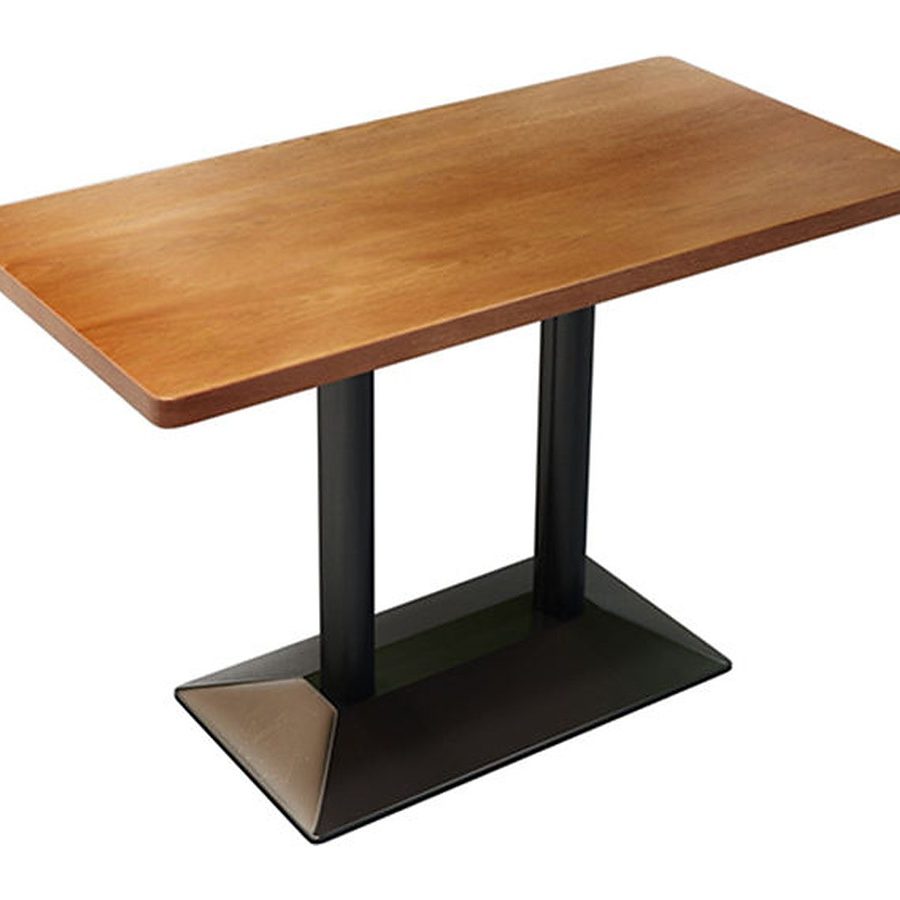
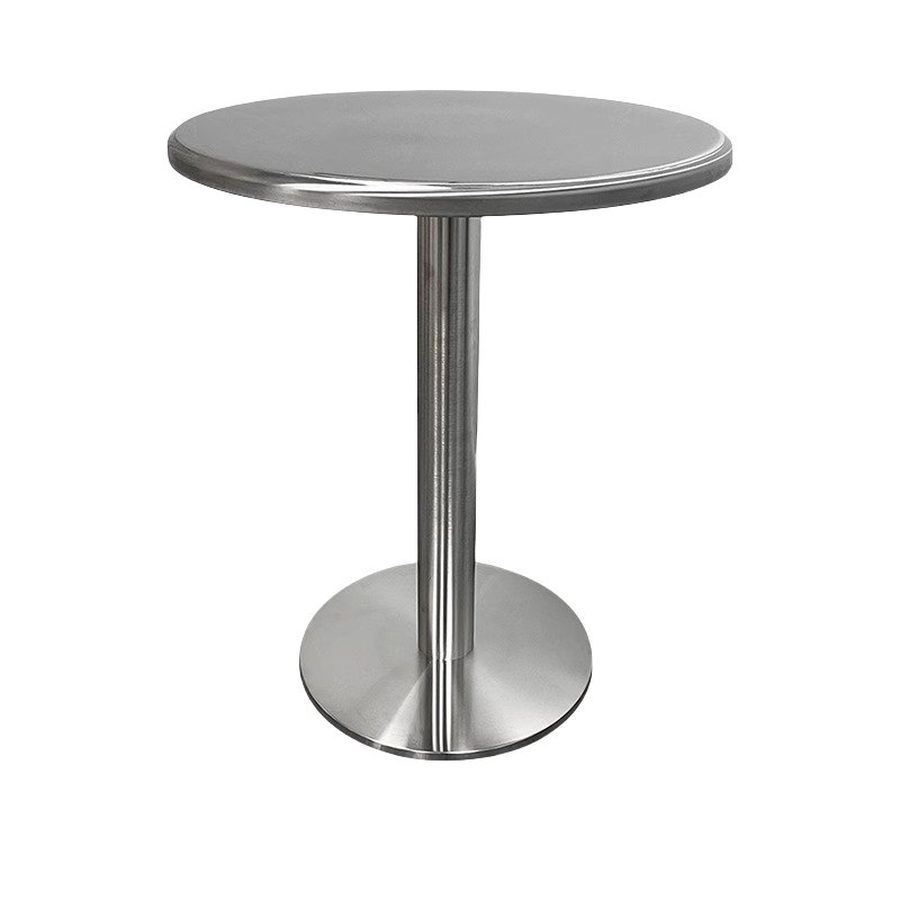
At the pass, yes. Stone ignores heat and cannot be repaired, so it is right where nothing can be fixed mid-service. In the dining room timber is warmer to the forearm and can be brought back, which is what a dining area needs at year four.
Timber, stone and glass tops.
OpenNine lines, and the tolerance behind each.
OpenLeather hide size runs 4 to 6 square metres for a standard steer hide.
OpenLeather cracking starts at a fold line, because that is where the surface flexes instead of abrades.
OpenCarrier liability covers what happened between the loading dock and the door.
OpenPigmented leather carries a pigment and a protective top coat, typically 25 to 50 microns total.
OpenThe red wine stain on seating is a blotting job in the first minute and a colour problem after that.
OpenLoading photographs are the baseline for any transit damage claim, and they should show the carton condition, the load pattern and the container number.
OpenDimensions, seat count and the finish you have in mind are enough to start. What comes back is a quantity per line, a leather card, a sample date and a loading window. All of it fits on one page.
Own workshop · EXW Foshan or DDP
Send the plan and the seat count. Answer inside two working days.
Chat on WhatsApp