Steakhouse chairs
Seat height that pairs with 760 mm.
OpenTimber at 38 mm, stone at 25 mm or glass at 12 mm, on cast iron, timber or steel. Every table stands or walks on what is under the top, so the base carries the engineering. Top, base and frame leave the same floor. That is why a table that arrives out of level is our problem.
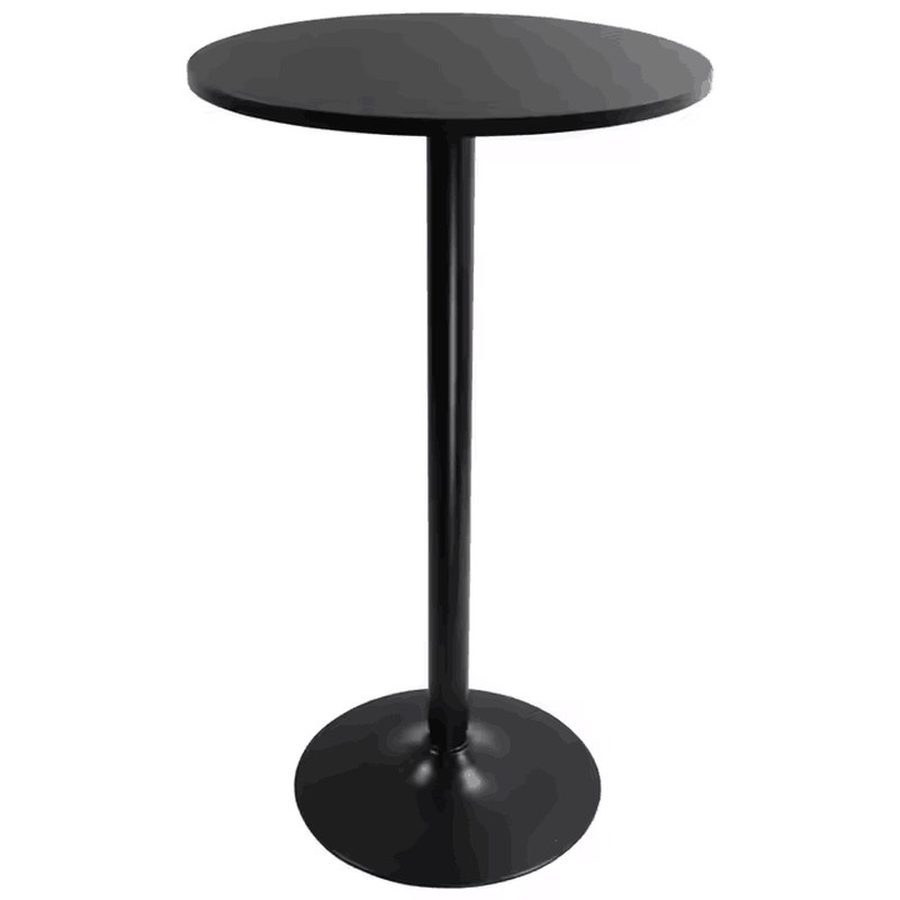
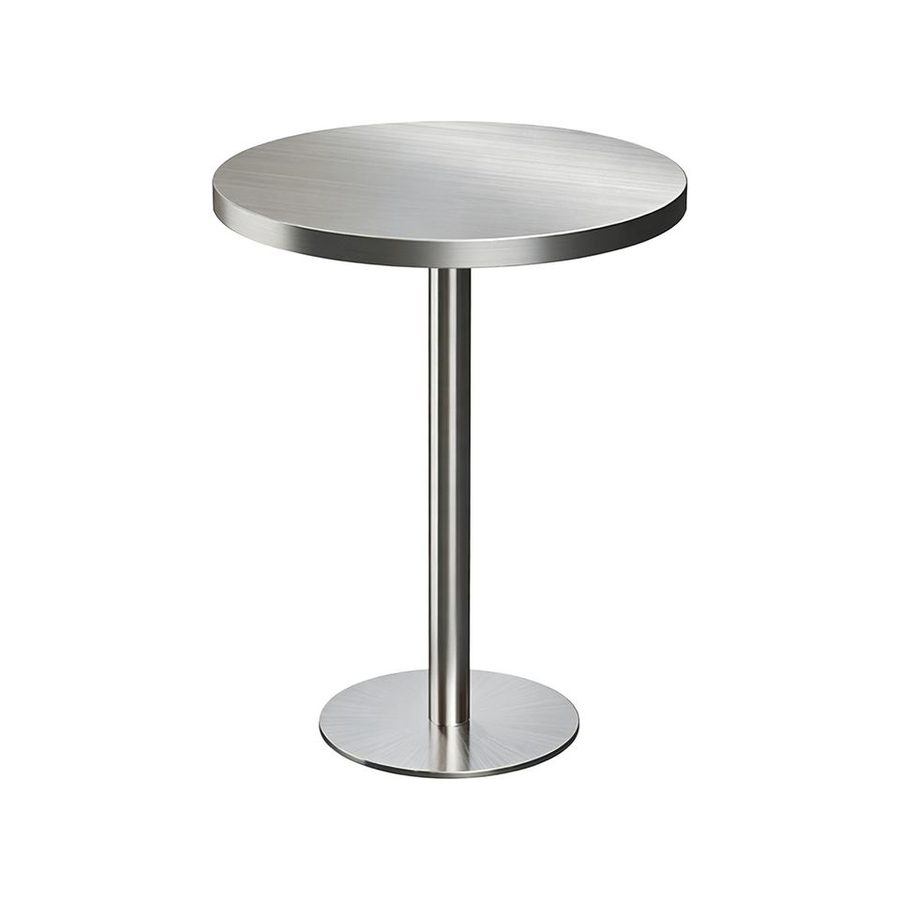
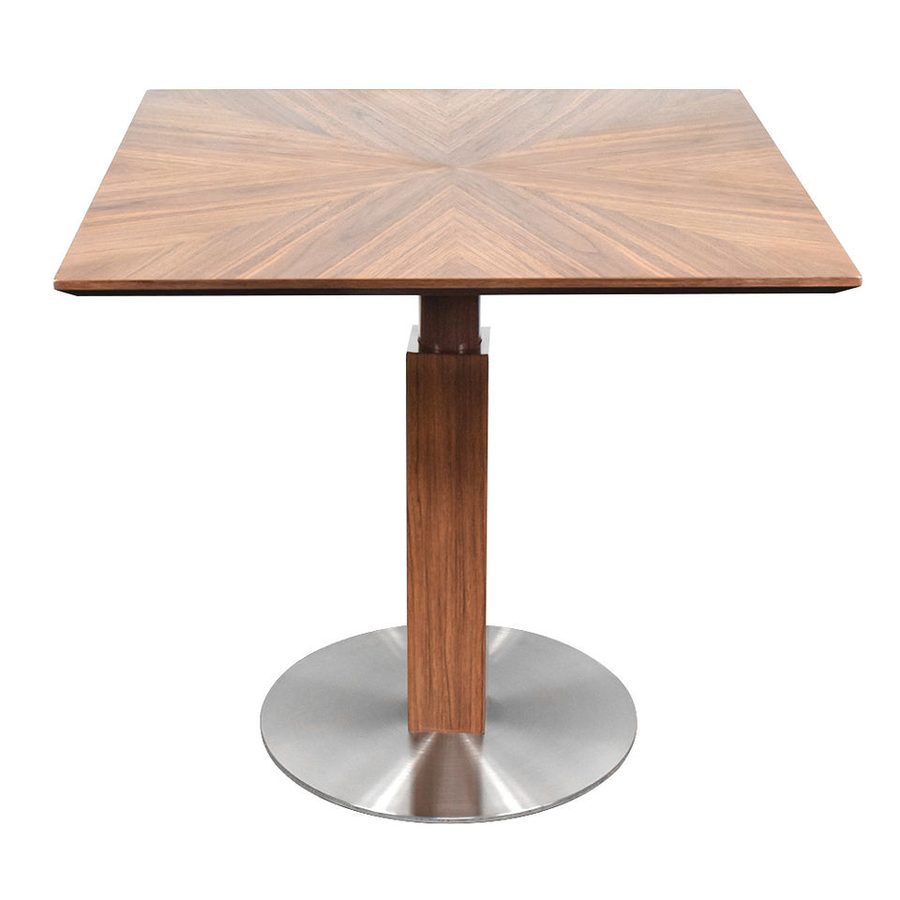
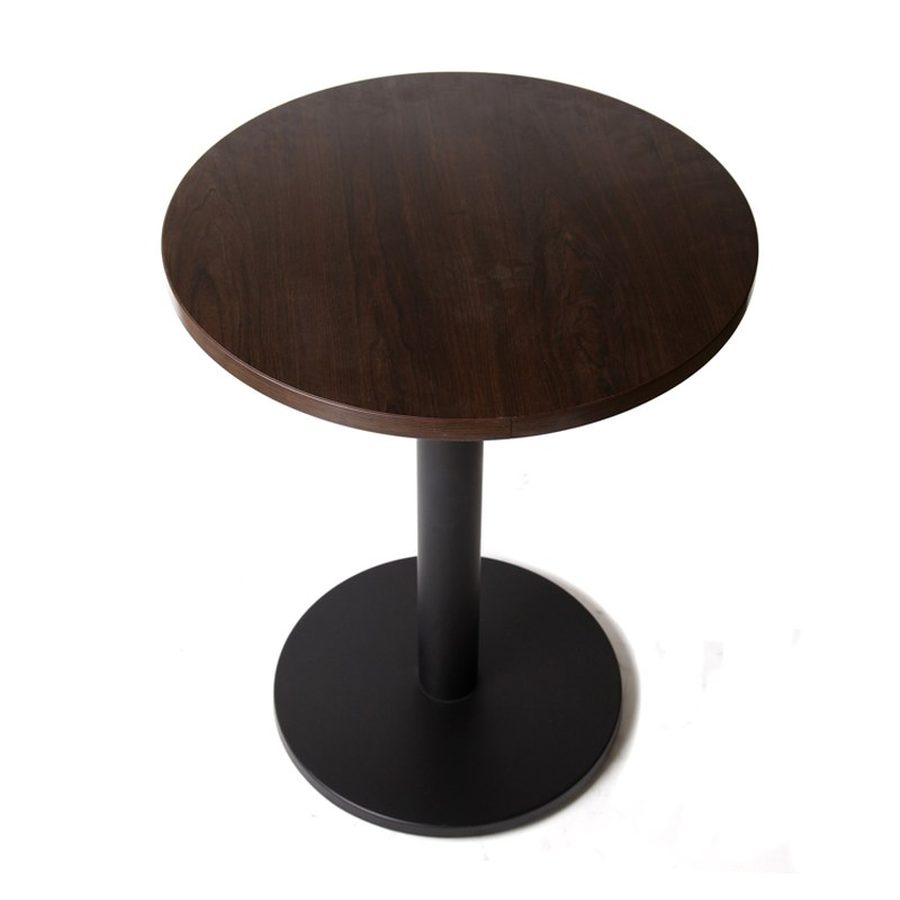
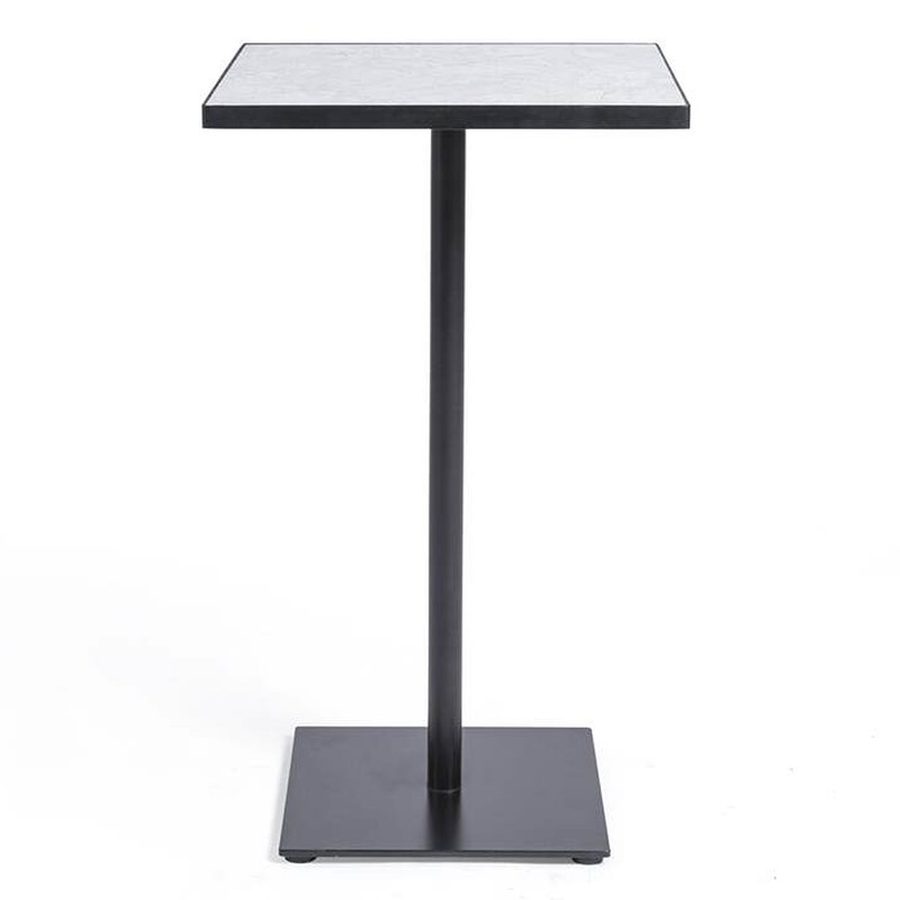
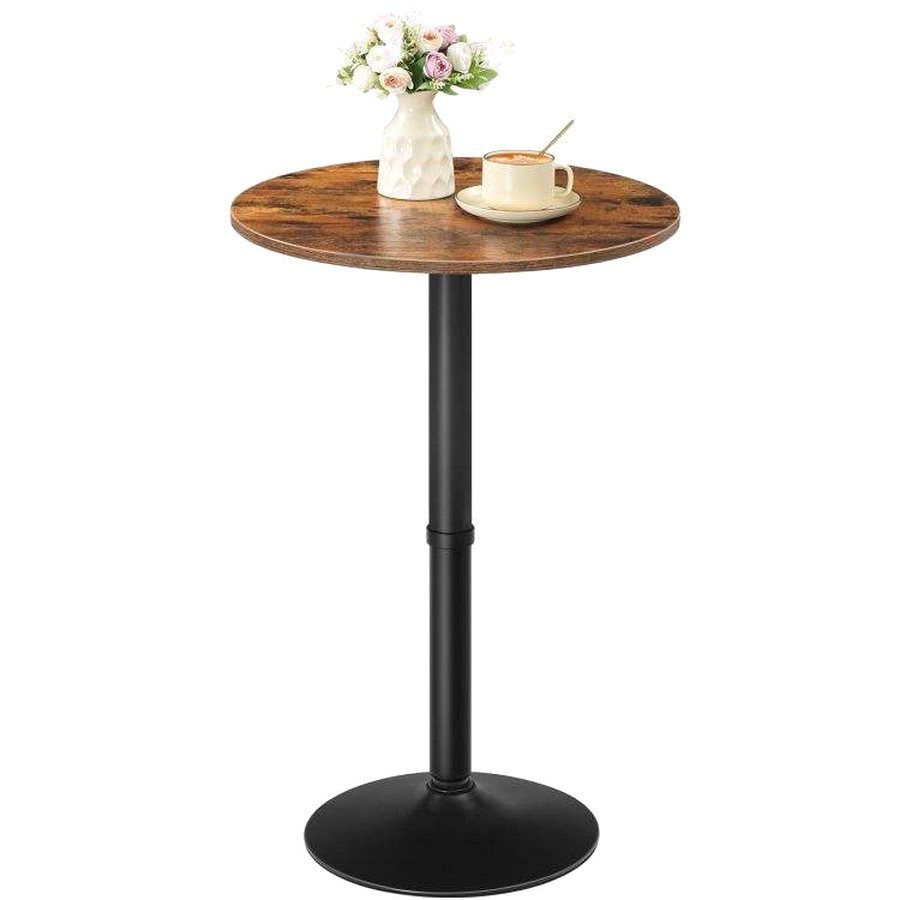
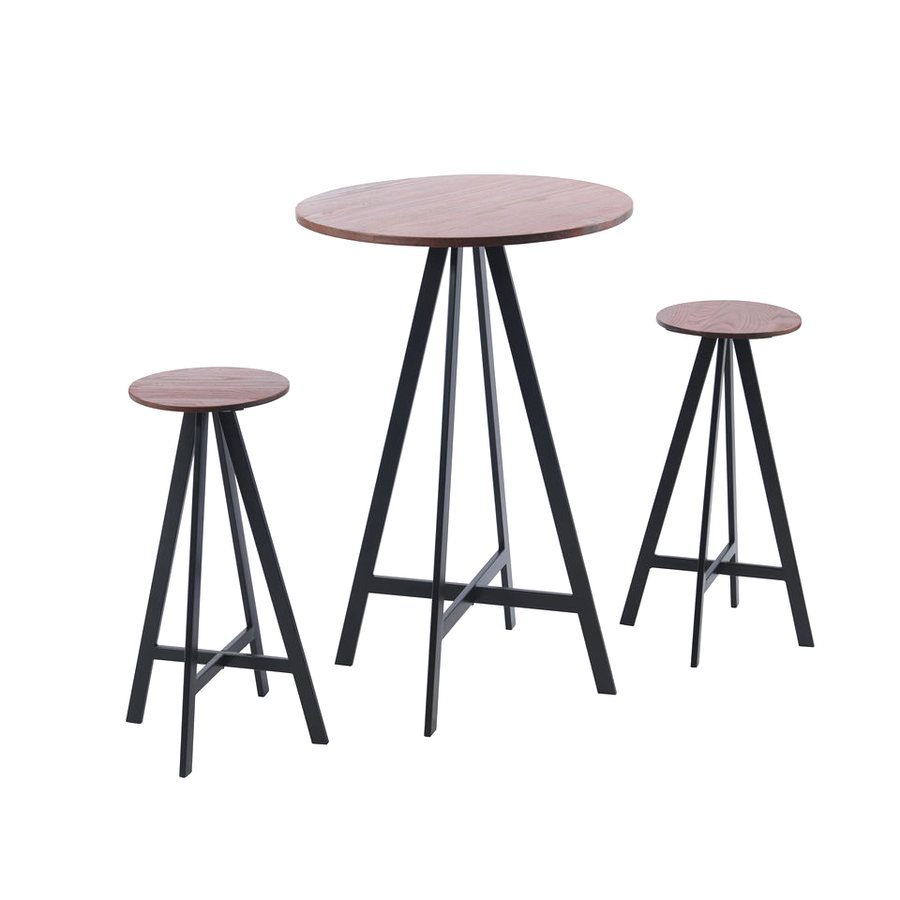
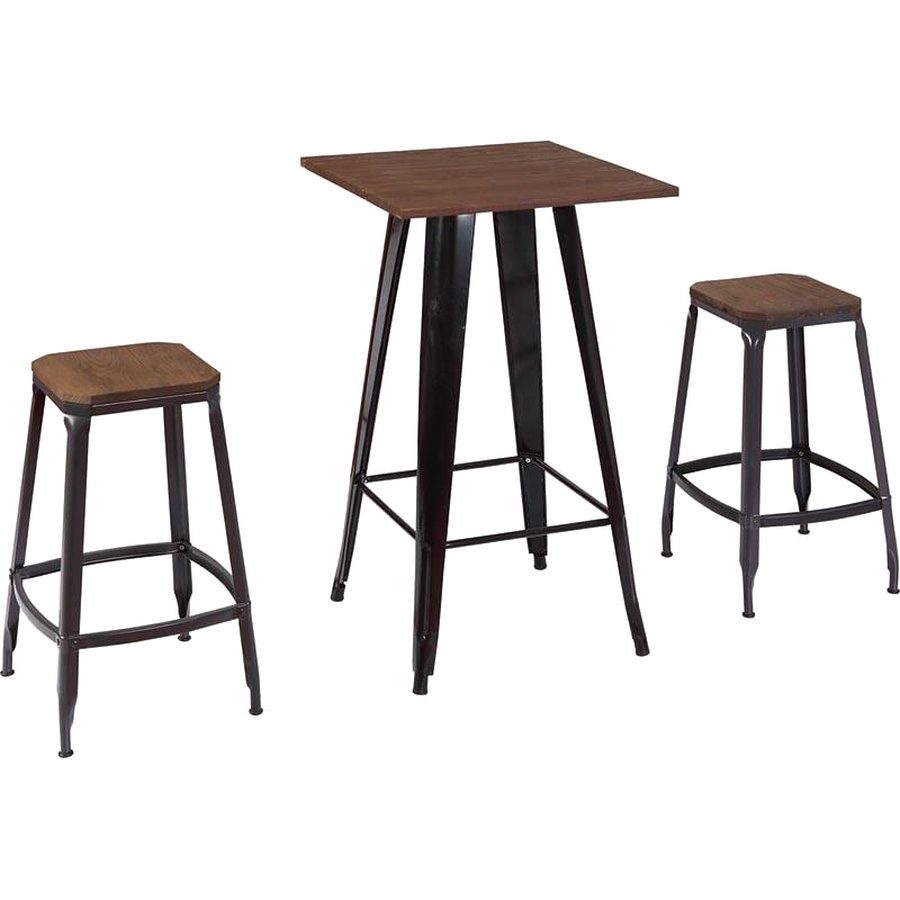
Every table in a steakhouse takes the same hit: a pan, a knife and a plate set down hard on the same 6 mm band along the edge. Rounding that edge to a 4 mm radius spreads the impact over more material and still reads as a crisp line.
End grain is the open door, because the end of a board takes water faster than the face. Two coats of sealer on the ends and oil on the face is the difference between a top that ages and one that splits from the corner inwards.
Cast iron at 18 kg on a 400 mm spread plate is what stops a 900 mm round walking when a guest leans on the far edge. Folded steel at 9 kg looks the same in a photograph and behaves differently in service.
Adjustable feet take up 12 mm of floor fall, which is about what a floor laid twenty years ago has. Levelling at the base costs less than shimming at the top, and it can be re-done after a refit without touching the table.
Timber is warm, takes oil in place and shows a hot pan. Stone does not care about heat and cannot be repaired, so a chip is a replacement. Glass is the brightest and the loudest, and 12 mm is the thinnest that survives a dropped knife block.
Most steakhouses end up with timber in the dining area and stone at the pass. That split is also what keeps the budget honest, because stone is priced per square meter and timber per board.
Anything past 2,000 mm is a two-person carry and usually a stair problem. Breadboard ends are pinned instead of glued, so a long top moves with the steakhouse and still sits flat.
Legs bolt on at the site. Frame off, a 2,400 mm top clears a 900 mm door with 40 mm to spare, and the fixing kit is counted per table.
Yes, if the top is solid and oiled instead of veneered. Veneer lifts at the edge where heat and steam meet, and solid stock marks instead. For a pass directly over the fire, stone is the honest answer.
Solid stock at 38 mm can be sanded three or four times over its life, and spot sanding around a burn is normal. Stone and glass cannot be repaired at all, which is worth pricing in at the start.
Seat height that pairs with 760 mm.
OpenFor the ledge. The table does not have this problem.
OpenTolerances and load figures.
OpenWhat heat actually does to a top.
OpenJoints between table tops in a run are either butt joints with a spline, biscuit joints or a loose tongue, and all of them allow some movement.
OpenPowder coat colour matching across a reorder is unreliable beyond about eighteen months.
OpenHumidity damage to furniture shows at two places: a timber frame that swells and opens joints.
OpenPowder coating runs a part through a phosphate or blast prep, a spray.
OpenSend the wall length, the seat count and the hide you have in mind. The answer comes back per line, with packing and a loading window.
Own workshop · EXW Foshan or DDP
Send the plan and the seat count. Answer inside two working days.
Chat on WhatsApp