Leather booths
The same hide, run along the wall.
OpenHide where the sitting happens, steel where the floor is hard, and a back height that decides how much of the steakhouse a guest sees while eating. Every model here lands at the same seat height, so they mix along one wall without a second specification.
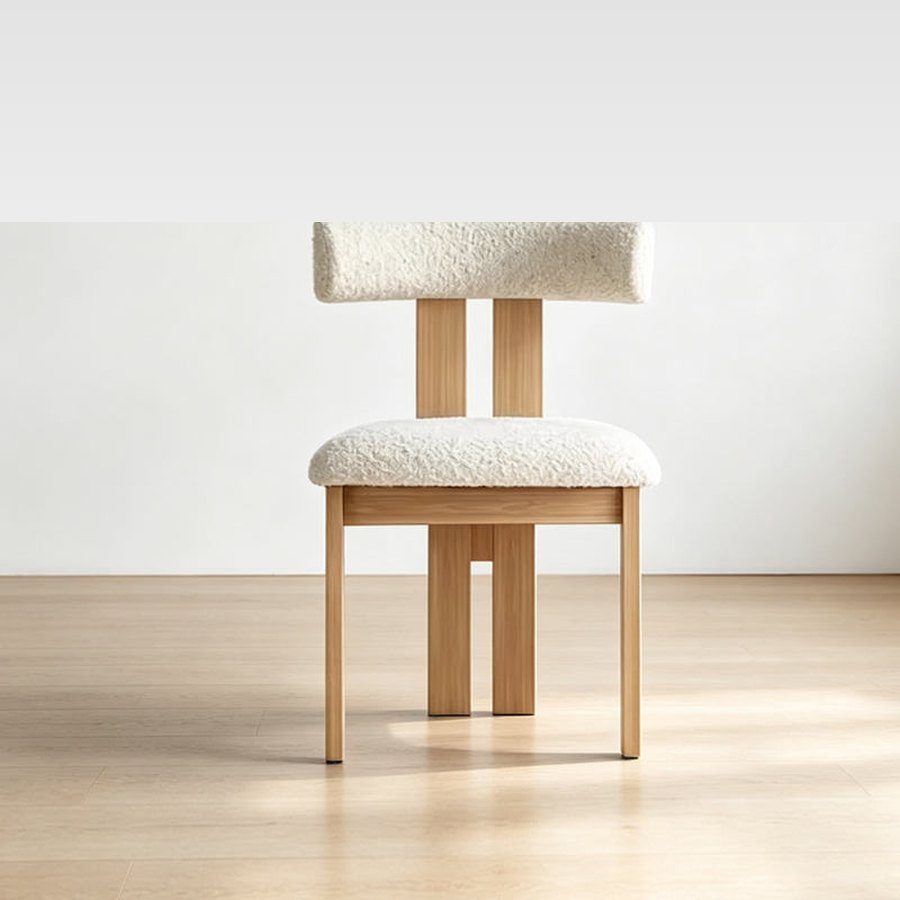
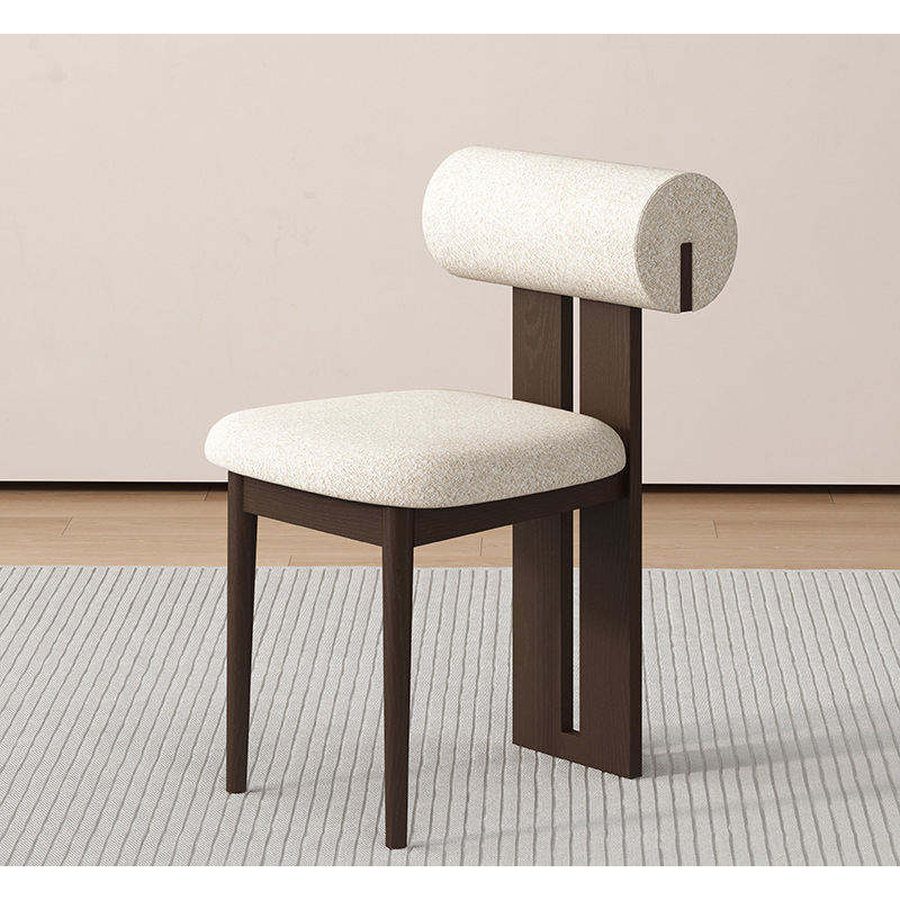
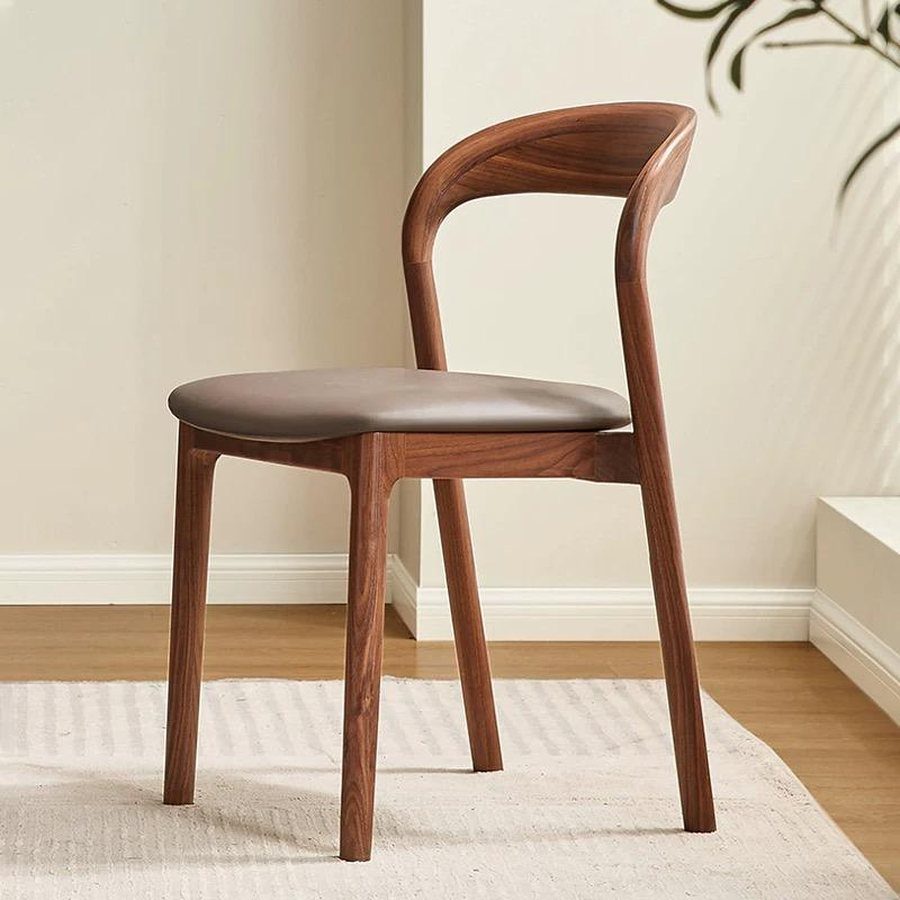
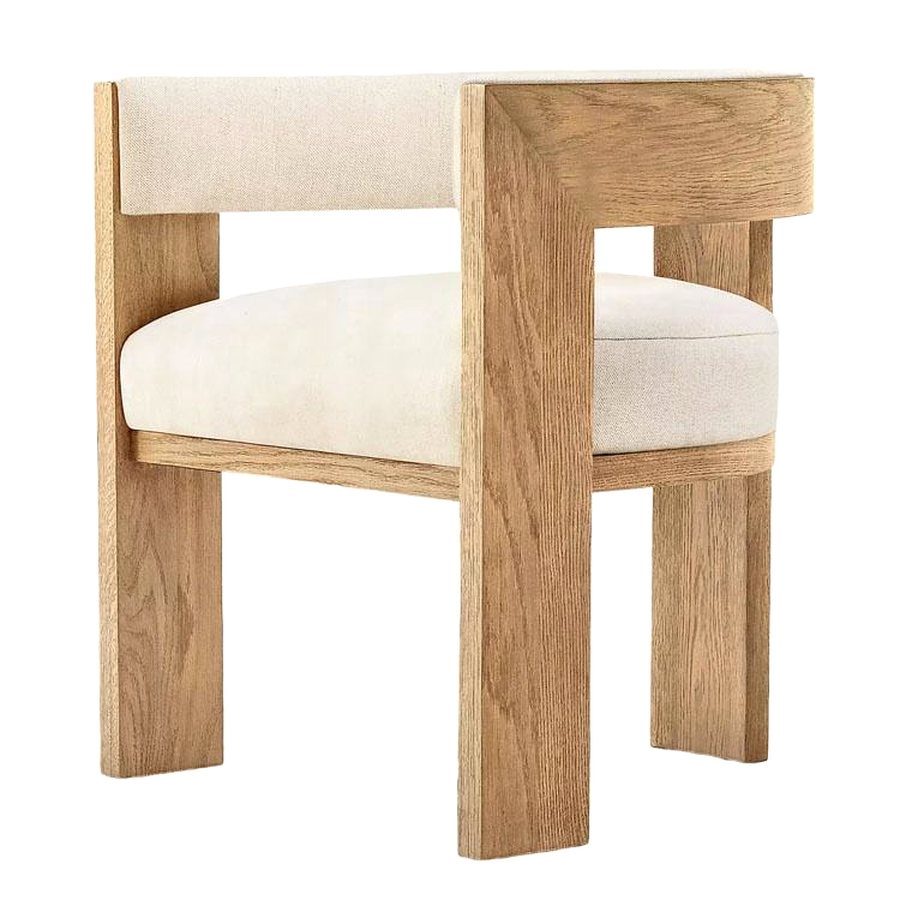
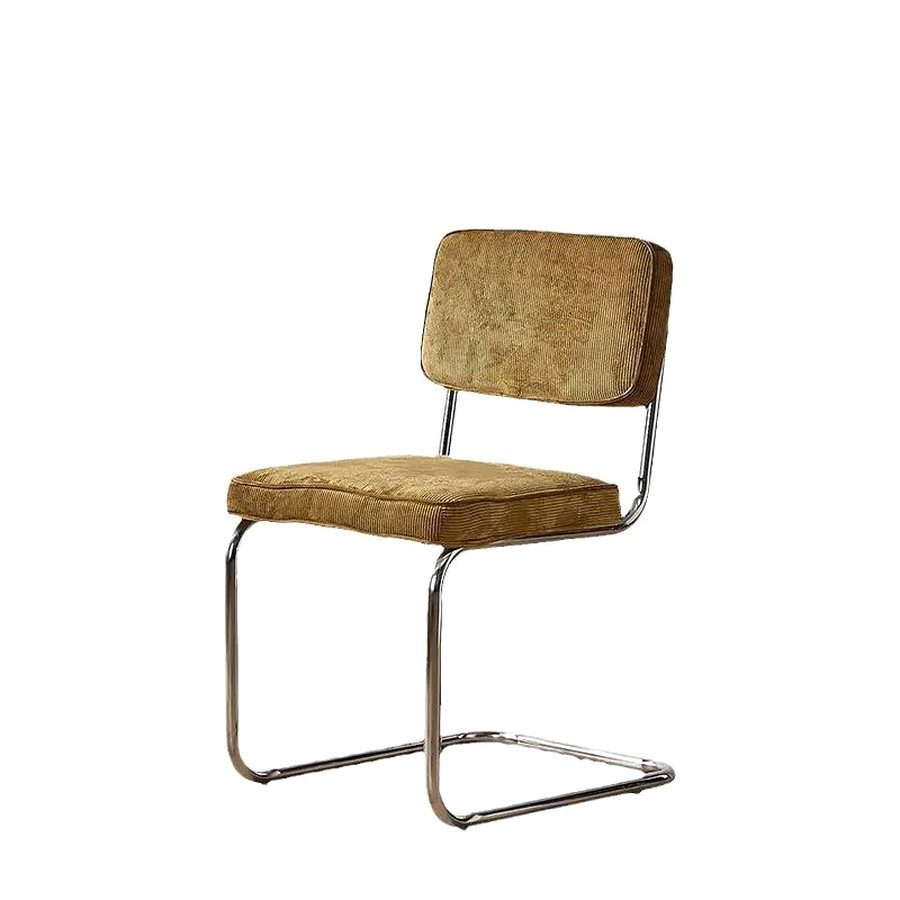
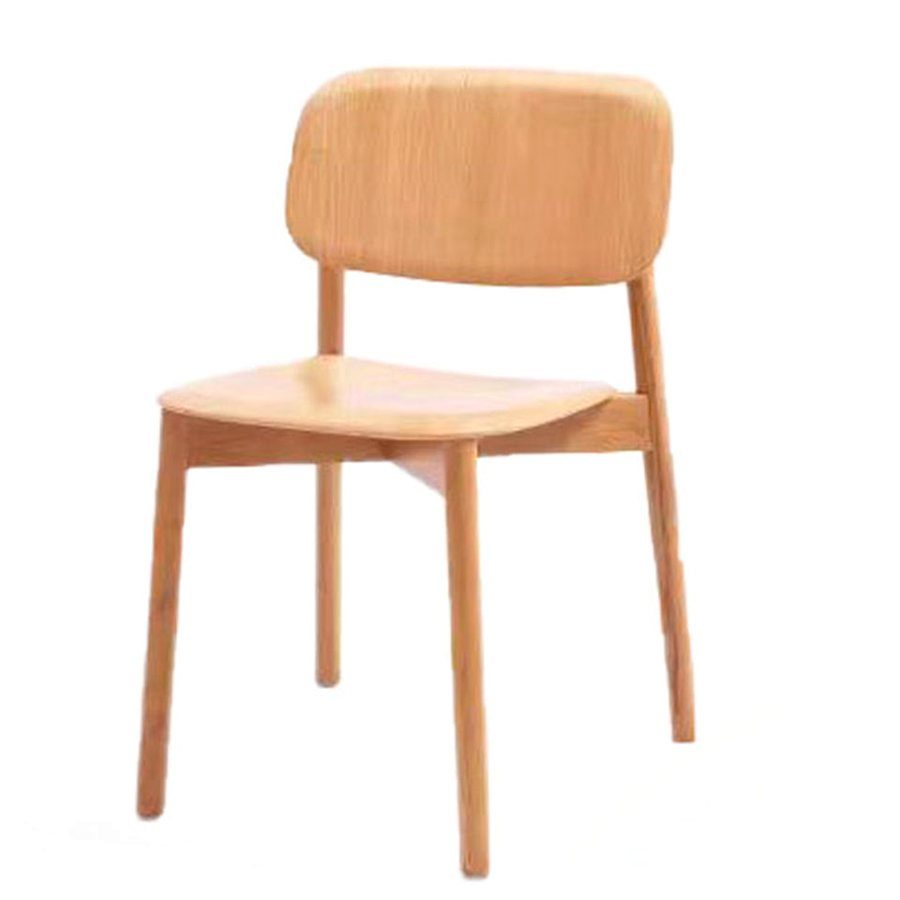
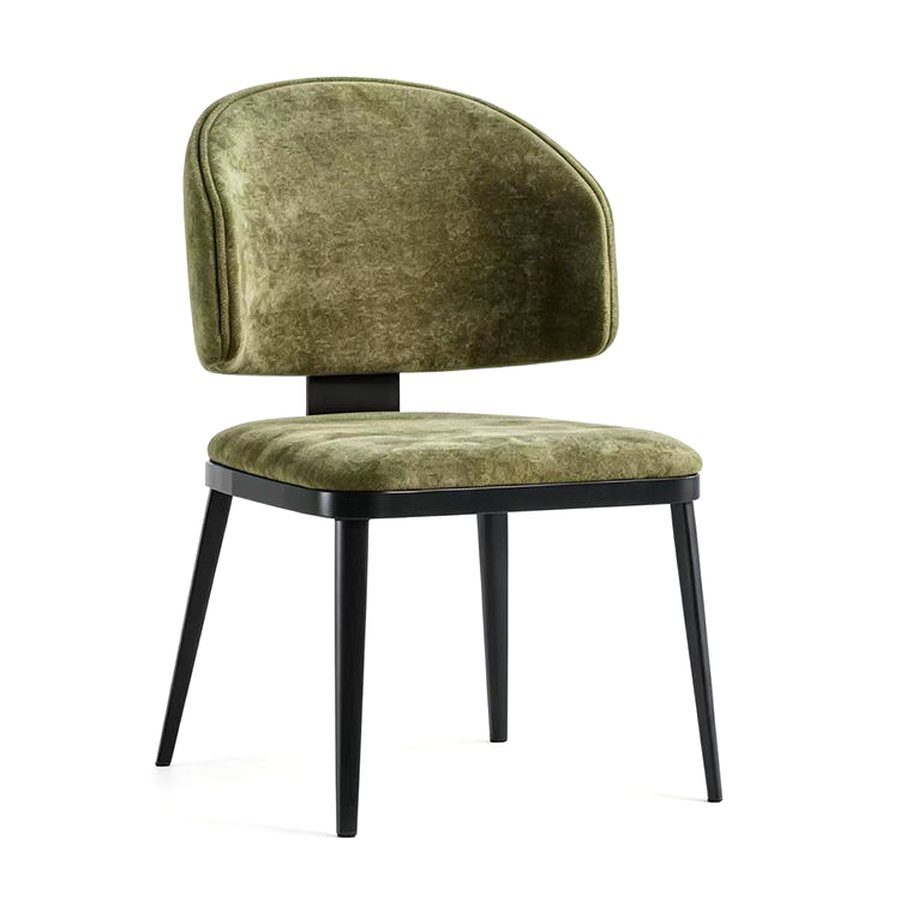
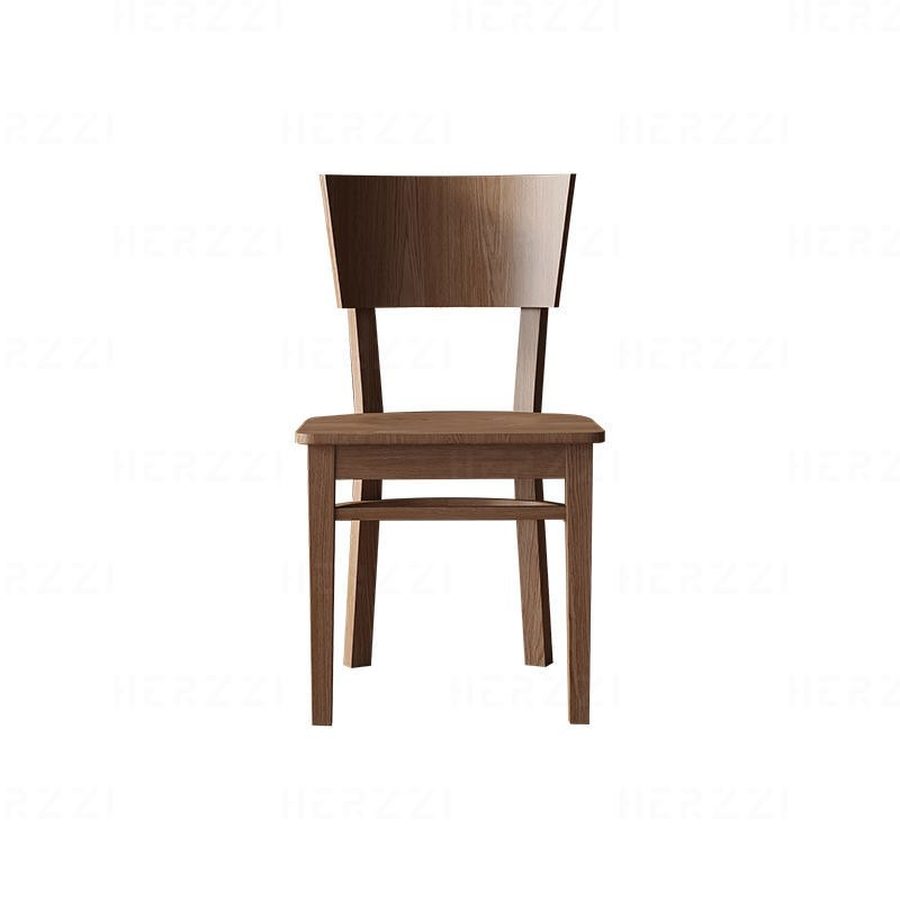
Hide takes a stain and keeps it. In a steakhouse where plates come out hot and butter is soft, a hide seat shows oil as a darker patch rather than as a mark that wipes away and comes back. That patch is the colour of the seat in year three.
PU leather is a coated split, so the surface is uniform and wear comes out as a shine. It suits the back row and the waiting bench, where the cover is replaced on a schedule. On the seat a regular takes every Friday it is the wrong cover, and that is where we argue with a drawing.
370 mm is the sling back. It keeps the steakhouse open and gives the shoulder nothing to lean into, which suits a counter and does not suit a two-hour table.
410 mm lands at the shoulder blade on most adults, and 440 mm is where a tufted back sits. 560 mm is the high back: it cuts the sightline between two rows, and that is what lets a booth row seat four abreast in a narrow steakhouse.
Timber frames here are kiln-dried European ash, jointed with mortise and tenon and blocked at all four corners. The block is the part that stops a chair racking when a guest leans back on two legs.
Steel frames are 25 × 25 mm tube with a 1.5 mm wall, welded and ground at every joint. Grinding matters more than welding: powder bridges a weld bead and then flakes off it eight months later.
Seat height, table line and the powder card are shared across the range, so a high back against the wall and a sling back in the middle of the floor read as one order instead of two purchases.
Send the plan with the models marked per zone. The quotation follows those zones, and the packing list comes back in the same zones so the installer is not sorting at the door.
Yes, with a sample first. Hide is dyed in lots of roughly 300 square meters, so a custom colour needs a minimum that covers the seat count plus ten percent for cutting loss. The swatch is approved under your lighting. Foshan daylight is not the light the guest will sit under.
Nylon glides with a steel insert, replaced with a screwdriver. On very hard stone we fit a 22 mm cup instead of a flat pad, because a flat pad on polished stone marks under a loaded chair within a season.
The same hide, run along the wall.
OpenHide grades, foam, and what wipes what.
OpenThe nine numbers these are built to.
OpenHow many chairs a dining area really takes.
OpenRust prevention on steel furniture comes down to the coating and the drainage. The steel grade does less than buyers expect.
OpenAssembly jigs drift by about 1 mm over a production run.
OpenLeather thickness for seating runs 1.2 to 1.6 mm, and 1.4 mm is the balance point where a hide takes abrasion and still follows a corner radius without pleating.
OpenFoam collapse on a booth seat happens along the entry line, because that is where the same movement repeats.
OpenSend the wall length, the seat count and the hide you have in mind. The answer comes back per line, with packing and a loading window.
Own workshop · EXW Foshan or DDP
Send the plan and the seat count. Answer inside two working days.
Chat on WhatsApp